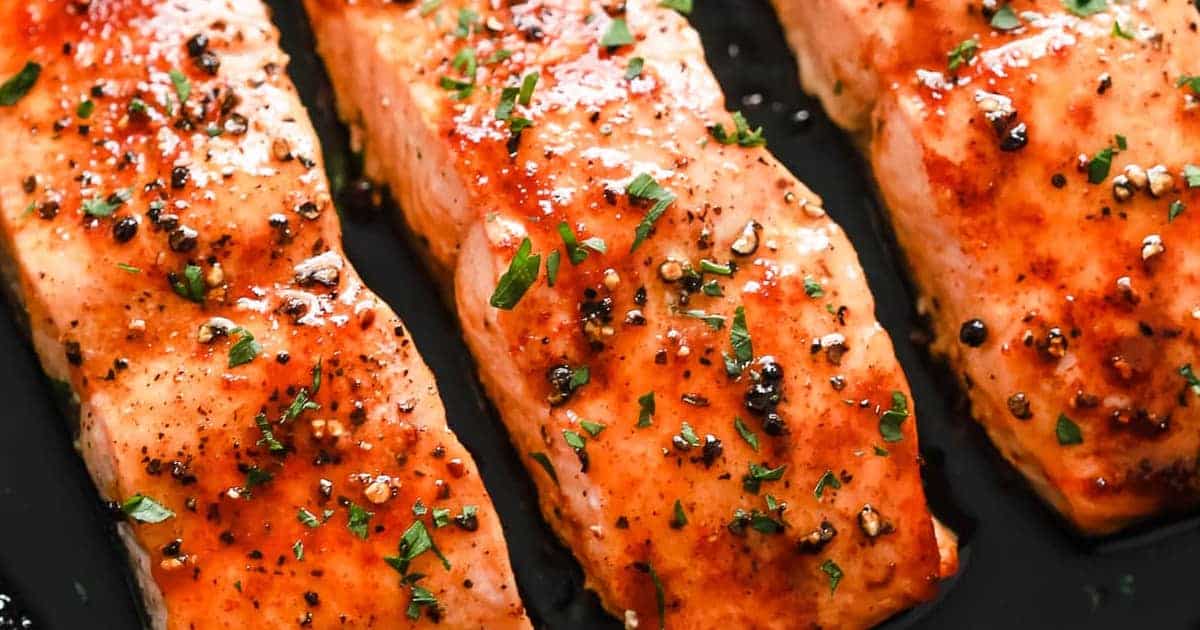
Secrets to Juicy Oven Salmon: Foolproof Baking Tips
If you've ever dreamt of consistently creating tender, perfectly cooked salmon that practically melts in your mouth, your search ends here. Mastering how to cook salmon in the oven is not only incredibly straightforward but also a game-changer for anyone seeking healthy, delicious meals without endless kitchen time. This method celebrates the natural richness of salmon, transforming a simple fillet into a flaky, juicy masterpiece with minimal effort.
Whether you're planning a quick weeknight dinner, prepping meals for the week, or impressing guests, oven-baked salmon delivers every single time. Forget complicated techniques; with just a few essential tips and a reliable oven, you'll be baking restaurant-quality salmon that's both wholesome and incredibly satisfying. Prepare to make this foolproof oven method your new culinary superpower!
Why Oven-Baked Salmon is Your Weeknight Hero
There's a reason why oven-baked salmon consistently earns accolades for its simplicity and exceptional results. It truly feels like a culinary cheat code – producing something so reliably juicy and impressive with minimal fuss. The magic lies in the oven's consistent, gentle heat, which cooks the salmon evenly from all sides, preventing dry spots and locking in moisture. This hands-off approach frees you up to prepare accompanying sides or simply relax while your dinner comes to perfection. You'll find that learning how to cook salmon in the oven means:
- Minimal Hands-On Time: Once seasoned, simply slide your salmon into the oven and let the heat do the work.
- Consistent Results: The oven's stable temperature ensures even cooking, leading to perfectly flaky and tender fish every time.
- Versatility: Baked salmon tolerates a wide range of seasonings, marinades, and flavor profiles, making it adaptable to any cuisine or mood.
- Easy Cleanup: Using parchment paper or foil significantly cuts down on post-dinner scrubbing.
- Healthy & Delicious: A lean protein packed with omega-3s, salmon is a nutritious choice that never sacrifices flavor.
It’s the ideal solution for those busy evenings when you want something gourmet without the effort. For more rapid recipes, check out Quick Oven Salmon for Weeknights: Juicy & Ready in 15 Mins.
Mastering the Basics: Step-by-Step Guide to Perfect Oven Salmon
Achieving that coveted tender, flaky texture when you cook salmon in the oven is all about understanding a few fundamental steps. Let's break down the process from start to finish.
Choosing Your Fillet
The journey to perfect oven-baked salmon begins with the right cut. While this method works beautifully with almost any type of salmon, understanding your options can enhance your experience:
- Atlantic Salmon: Often farm-raised, it's widely available, typically fattier, and very forgiving, making it an excellent choice for beginners.
- Wild Salmon (e.g., Sockeye, Coho, King/Chinook): These varieties are leaner, boast richer color, and have a more pronounced "salmon" flavor. While delicious, their lower fat content means they can dry out more easily if overcooked. King salmon is particularly prized for its high fat content and rich flavor.
Most experts recommend cooking salmon with the skin on. The skin provides a protective layer, helping the fish stay moist and preventing it from sticking to the baking sheet. It also offers an opportunity for crispy skin, if desired. If you prefer skinless, simply remove it after cooking, or ask your fishmonger to do it beforehand.
Essential Prep Work
Proper preparation is key to ensuring your baked salmon recipe turns out flawless:
- Preheat Your Oven: For a quick, slightly more intense cook that helps crisp the exterior, preheat your oven to 400°F (200°C). If you prefer a gentler bake, 375°F (190°C) is also an excellent option, though it might extend the cooking time slightly. Position an oven rack in the middle for even heat distribution.
- Prepare Your Pan: Line a baking sheet, baking dish, or even a cast-iron skillet with parchment paper or aluminum foil. This prevents sticking and makes cleanup a breeze – a true "no-mess baked salmon" approach.
- Pat Dry: Remove your salmon fillets from the refrigerator and gently pat them completely dry with paper towels. This crucial step allows olive oil and seasonings to adhere properly to the fish, as oil and water don't mix well.
- Oil and Season: Drizzle a little olive oil (or avocado oil) over the top of each salmon fillet. Use your fingers or a pastry brush to rub the oil evenly across the flesh. This creates a barrier that locks in moisture and helps seasonings stick. Season generously with kosher salt, freshly ground black pepper, and a sprinkle of paprika or Cajun seasoning for a beautiful color and a hint of warmth.
The Baking Process: Timing is Everything
Once prepped, your salmon is ready for its oven journey:
- Arrange: Place the salmon fillets, skin-side down (if applicable), on your prepared baking sheet or skillet. Ensure there's some space between each fillet for even cooking.
- Bake: Transfer the baking sheet to the preheated oven. Bake for approximately 10-15 minutes. The exact cooking time depends significantly on the thickness of your fillets. A good rule of thumb is 10 minutes per inch of thickness at 400°F.
- Check for Doneness:
- Flakiness: The easiest visual cue is when the salmon flakes easily with a fork at its thickest part. The flesh should transform from translucent to opaque.
- Internal Temperature: For the most accurate measure, use an instant-read thermometer. Insert it into the thickest part of the fillet. Salmon is safely cooked when it reaches a minimum internal temperature of 145°F (63°C). Remember, it will continue to cook slightly after removal from the oven (carryover cooking).
- Rest: Once done, remove the salmon from the oven and let it rest for a few minutes before serving. This allows the juices to redistribute, ensuring maximum tenderness.
Don't be afraid to check your salmon at the 10-minute mark. If it's not quite ready, return it to the oven for 2-3 minute increments until it reaches perfection. Overcooking is the number one enemy of juicy salmon!
Expert Tips for Unforgettable Oven Salmon
While the basic method for how to cook salmon in the oven is wonderfully simple, a few extra insights can elevate your dish from great to truly unforgettable. For more inspiration on perfecting your technique, explore Easy Oven Baked Salmon: Get Flaky, Juicy Results Every Time.
Thawing Frozen Salmon Safely
Often, you'll be cooking salmon from frozen. Proper thawing is crucial for both food safety and maintaining the fish's delicate texture:
- Refrigerator Thaw (Best Method): The safest and most recommended approach is to transfer sealed frozen salmon to a plate and let it thaw overnight in the refrigerator. This slow thaw preserves the best texture and minimizes bacterial growth.
- Cold Water Thaw (Faster Method): For a quicker thaw, place the sealed frozen salmon (still in its vacuum-sealed packaging or a zip-top bag) in a bowl of cold water. Change the water every 15-20 minutes to keep it cold. A typical fillet will thaw in about 30-45 minutes using this method.
- Avoid Warm/Hot Water: Never use warm or hot water to thaw salmon, as this can lead to uneven thawing, cook the outer layers, and promote bacterial growth.
Flavor Boosters and Variations
The beauty of oven-baked salmon is its incredible versatility. Once you've mastered the basic technique, feel free to experiment with a myriad of flavor combinations:
- Herbs & Citrus: Fresh dill, parsley, thyme, or rosemary pair wonderfully with salmon. Add lemon slices directly onto the fillets or squeeze fresh lemon juice over them before baking for a bright, zesty finish. Orange slices can also offer a delightful sweetness.
- Garlic & Ginger: Minced garlic or grated ginger can be rubbed onto the salmon with the oil, imparting aromatic depth.
- Marinades & Sauces: Before baking, try a quick marinade like honey garlic, teriyaki, soy-ginger, or a pesto spread. These not only add flavor but also help keep the salmon moist.
- Spicy Kicks: A pinch of cayenne pepper, a dash of hot sauce, or a sprinkle of chili flakes can add a welcome heat.
- Vegetable Companions: For a complete one-pan meal, toss quick-cooking vegetables like asparagus, broccoli florets, cherry tomatoes, or sliced bell peppers with a little oil and seasoning, then bake them alongside the salmon.
Troubleshooting Common Issues
Even with the most foolproof method, sometimes things don't go exactly as planned. Here's how to tackle common problems:
- Dry or Tough Salmon: This is almost always a sign of overcooking. Keep a close eye on your cooking time and use a thermometer. Remember, it's better to undercook slightly and check again than to overcook. Next time, reduce your bake time by a minute or two.
- Unevenly Cooked Salmon: If one part of your fillet is cooked while another isn't, it could be due to varying thickness. Try to choose fillets of uniform thickness, or if you have a tapering tail end, you can fold it under slightly to create a more even shape. Starting with room-temperature salmon (let it sit out for 10-15 minutes while the oven preheats) can also promote more even cooking.
- Skin Sticking to the Pan: This usually happens if the pan wasn't lined sufficiently, or if the skin wasn't adequately oiled. Ensure your parchment paper covers the entire area under the salmon, and don't skimp on a thin layer of oil on the skin side if you're baking it directly on the pan (though skin-down on parchment is usually enough).
With these comprehensive tips, you're now equipped to not only master how to cook salmon in the oven but also to confidently customize it to your taste. Enjoy the journey to perfectly juicy, flaky salmon every single time!
