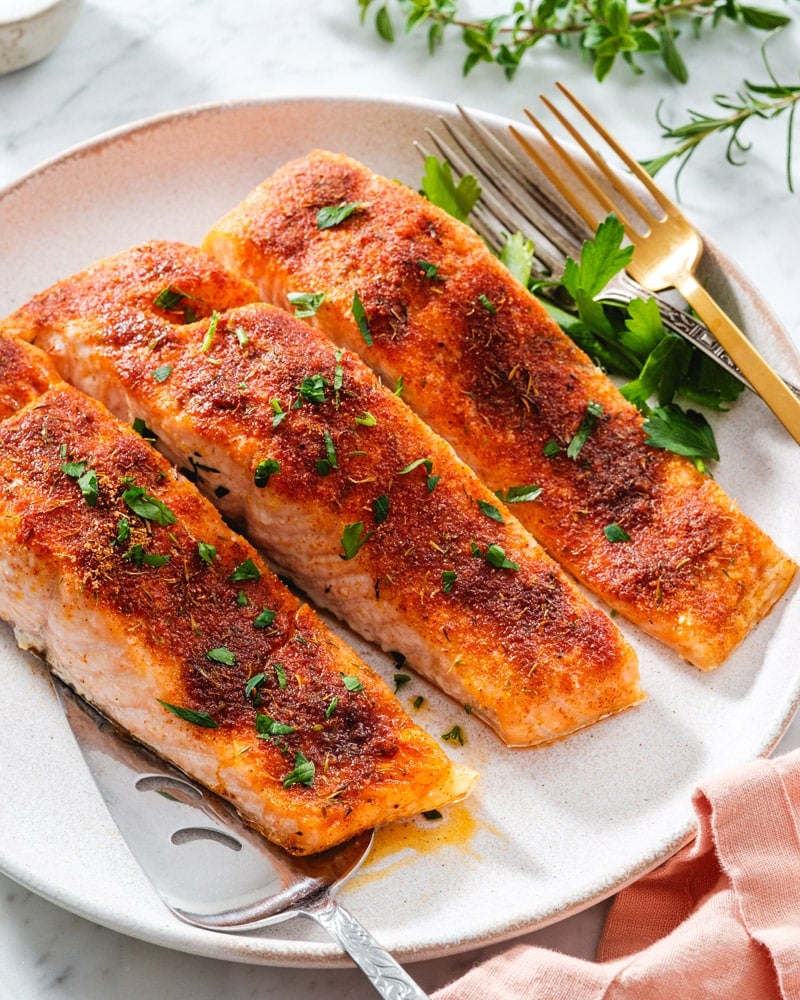
Easy Oven Baked Salmon: Get Flaky, Juicy Results Every Time
Imagine a dinner that feels elegant and restaurant-worthy, yet takes minimal effort to prepare and leaves you with delicious, healthy leftovers. That's precisely what you get when you master the art of oven-baked salmon. Forget dry, overcooked fish; this foolproof method will show you
how to cook salmon in the oven to perfection, yielding tender, flaky, and incredibly juicy results every single time. Whether you're a seasoned chef or a kitchen novice, this guide is designed to make you feel like a culinary pro.
Why Oven-Baked Salmon is Your New Weeknight Hero
When it comes to healthy, delicious meals, salmon consistently tops the list. Packed with omega-3 fatty acids, protein, and essential nutrients, it's a powerhouse ingredient. And among the many ways to prepare it, oven baking stands out as arguably the simplest and most reliable.
Why choose the oven?
*
Foolproof Perfection: The consistent heat of an oven cooks salmon evenly, minimizing the risk of dry edges and undercooked centers. It's truly a "set it and forget it" method compared to pan-frying or grilling, which demand more active attention.
*
Minimal Cleanup: By using parchment paper or foil, you can enjoy a virtually mess-free cooking experience. Simply wrap up and toss after dinner!
*
Hands-Off Cooking: Once your seasoned salmon is in the oven, your hands are free to prepare side dishes, set the table, or simply relax. This makes it ideal for busy weeknights when time is precious. For even faster options, check out our guide on
Quick Oven Salmon for Weeknights: Juicy & Ready in 15 Mins.
*
Versatile Flavor Canvas: Salmon's mild yet rich flavor pairs beautifully with a vast array of seasonings, herbs, and sauces, allowing for endless culinary creativity.
*
Consistently Juicy Results: The gentle, enveloping heat of the oven locks in moisture, ensuring that every bite is as succulent as the last.
It feels almost like cheating – so simple, so reliably juicy – yet the outcome is always impressive. This method is perfect for anyone seeking a wholesome, easy meal that looks and tastes fantastic.
Mastering the Basics: Step-by-Step Guide to Perfect Oven Salmon
Achieving perfectly cooked salmon in the oven is all about a few simple, yet crucial, steps. Follow along, and you'll be enjoying tender, flaky fish in no time.
1. Choosing Your Salmon Fillet
The journey to delicious baked salmon begins with the right fillet. While the specific type of salmon can vary in flavor and texture, this recipe works beautifully for most common varieties, including:
*
Atlantic Salmon: Often farmed, known for its rich, buttery flavor and high fat content.
*
Wild Salmon (Sockeye, Coho, King/Chinook): Typically leaner with a more pronounced "fishy" flavor and vibrant color.
* Regardless of type, look for fillets that are bright in color, firm to the touch, and free of any strong odors. Skin-on fillets are often preferred as the skin helps protect the fish from drying out and can crisp up deliciously, though skinless fillets work just as well. If using frozen salmon, ensure it's properly thawed (see Pro Tips below).
2. Prepping for Success
A little prep goes a long way in ensuring perfect results.
*
Preheat Your Oven: Start by preheating your oven to
400°F (200°C). Placing a rack in the middle of the oven ensures even heat distribution. While some recipes suggest 375°F, 400°F often provides a quicker cook time while maintaining moisture, particularly for standard fillet thicknesses.
*
Line Your Pan: Line a baking sheet or baking dish with parchment paper or aluminum foil. This is key for easy cleanup and prevents sticking. A cast-iron skillet can also be used for a slightly different sear on the bottom.
*
Pat Dry Your Salmon: Remove your salmon fillets from the fridge and gently pat them completely dry with paper towels. This step is crucial because excess moisture can steam the fish instead of allowing it to bake and potentially crisp slightly, and it also helps the oil and seasonings adhere better.
3. Seasoning for Flavor
Less is often more when it comes to quality salmon, allowing its natural flavor to shine.
*
Oil It Up: Drizzle a little olive oil (or avocado oil) over the top of each salmon fillet. Use a pastry brush or your fingers to gently rub the oil evenly over the entire surface. This not only helps with seasoning adhesion but also contributes to a lovely golden-brown exterior.
*
Basic Seasoning: A simple sprinkle of kosher salt and freshly ground black pepper is often all you need.
*
Elevate Your Flavor: For a little extra zest, consider adding:
* Smoked paprika or Cajun seasoning for a hint of warmth and spice.
* Garlic powder and onion powder for an aromatic boost.
* Dried dill or fresh lemon slices placed on top.
4. The Baking Process
This is where the magic happens!
*
Position the Salmon: Place the seasoned salmon fillets, skin-side down (if applicable), on your prepared baking sheet. Ensure there's a little space between each fillet to allow for even cooking.
*
Bake Time: Transfer the baking sheet to the preheated oven. The cooking time will vary depending on the thickness of your fillets, but a good starting point is
12-15 minutes for fillets about 1-inch thick. Thinner fillets (½-inch) might be done in 10-12 minutes, while very thick fillets (1½-inch) could take 15-20 minutes.
*
Checking for Doneness: Salmon is cooked through when it flakes easily with a fork in the thickest part. The flesh should be opaque throughout, with a slightly darker, more cooked appearance on the outside. The most accurate way to check doneness is with an instant-read meat thermometer: the internal temperature should reach
145°F (63°C).
5. Resting for Juiciness
Once baked, don't rush! Remove the salmon from the oven and let it rest on the baking sheet for 2-5 minutes. This allows the juices to redistribute throughout the fillet, resulting in an even more tender and moist piece of fish.
Pro Tips for Flaky, Juicy Results Every Time
To truly perfect your baked salmon, consider these expert insights:
*
Thickness Matters: As mentioned, the thickness of your salmon fillet is the primary determinant of cooking time. Always check for doneness visually or with a thermometer rather than relying solely on a timer. If cooking fillets of varying thicknesses, consider giving the thicker ones a head start or baking them on a separate tray.
*
Don't Overcrowd: Give your salmon space on the baking sheet. Overcrowding can lead to steaming instead of baking, which impacts texture and can extend cooking time.
*
Thawing Frozen Salmon Safely: If starting with frozen salmon, proper thawing is key to prevent uneven cooking and ensure the best texture. The safest method is to transfer it to a plate and refrigerate it overnight. For quicker thawing, place the sealed frozen salmon in a bowl of cold water for 30-45 minutes, changing the water halfway through.
Never use warm or hot water, as this can promote bacterial growth and cook the outer layers while the inside remains frozen.
*
Add Aromatics: For an extra layer of flavor, consider placing thin lemon slices, sprigs of fresh dill, rosemary, or thyme directly on top of or under the salmon before baking. These infuse subtle, fresh notes into the fish.
*
The Right Pan: While parchment-lined baking sheets are great for easy cleanup, a cast iron skillet can impart a lovely, slightly crispier bottom to your salmon if desired. Just be sure to oil it well.
Elevate Your Baked Salmon: Flavor Variations & Ideas
While a simple salt and pepper seasoning is delicious, the versatility of oven-baked salmon means you can easily switch up flavors to suit any craving or occasion.
*
Lemon-Dill Salmon: A classic pairing! Season with salt, pepper, garlic powder, and a generous sprinkle of dried or fresh dill. Top with lemon slices before baking.
*
Garlic-Herb Salmon: Mix minced garlic with chopped fresh parsley, thyme, and a drizzle of olive oil. Spread this mixture over the salmon before baking.
*
Honey-Soy Glazed Salmon: Whisk together soy sauce, honey, minced ginger, and a touch of sesame oil. Brush this glaze over the salmon during the last 5 minutes of baking for a sweet and savory finish.
*
Spicy Cajun Salmon: Rub your fillets generously with a good quality Cajun seasoning blend for a fiery kick.
*
Pesto Salmon: Spread a thin layer of your favorite pesto over the salmon before baking.
*
Citrus-Garlic Butter Salmon: Melt butter with minced garlic, lemon zest, and a squeeze of fresh orange juice. Drizzle over the salmon before cooking.
Experimenting with marinades, rubs, and sauces is part of the fun! For more in-depth strategies to perfect your bake, explore our article on
Secrets to Juicy Oven Salmon: Foolproof Baking Tips.
Conclusion
Learning
how to cook salmon in the oven is one of the most rewarding culinary skills you can acquire. It’s a method that promises consistent success, whether you're aiming for a quick and healthy weeknight dinner or an impressive dish for guests. With minimal effort, you can achieve tender, flaky, and incredibly juicy salmon every single time, letting the natural flavors of this wonderful fish truly shine. So go ahead, preheat your oven, grab a fillet, and get ready to enjoy perfectly baked salmon that will undoubtedly become a staple in your home.